

In the rapidly evolving landscape of independent game development, developers are increasingly moving beyond traditional entertainment to explore the socio-political underpinnings of our daily lives. This week, we examine three standout titles on itch.io that challenge our perception of work, reward, and social interaction. From the existential dread of the corporate grind to the high-octane joy of avian logistics and the meditative patience of communal building, these games invite players to reconsider their relationship with "labor" in its many forms.
The Economics of Existentialism: Analyzing Time Bandit
Main Facts: The Intersection of Real-World Time and In-Game Precarity
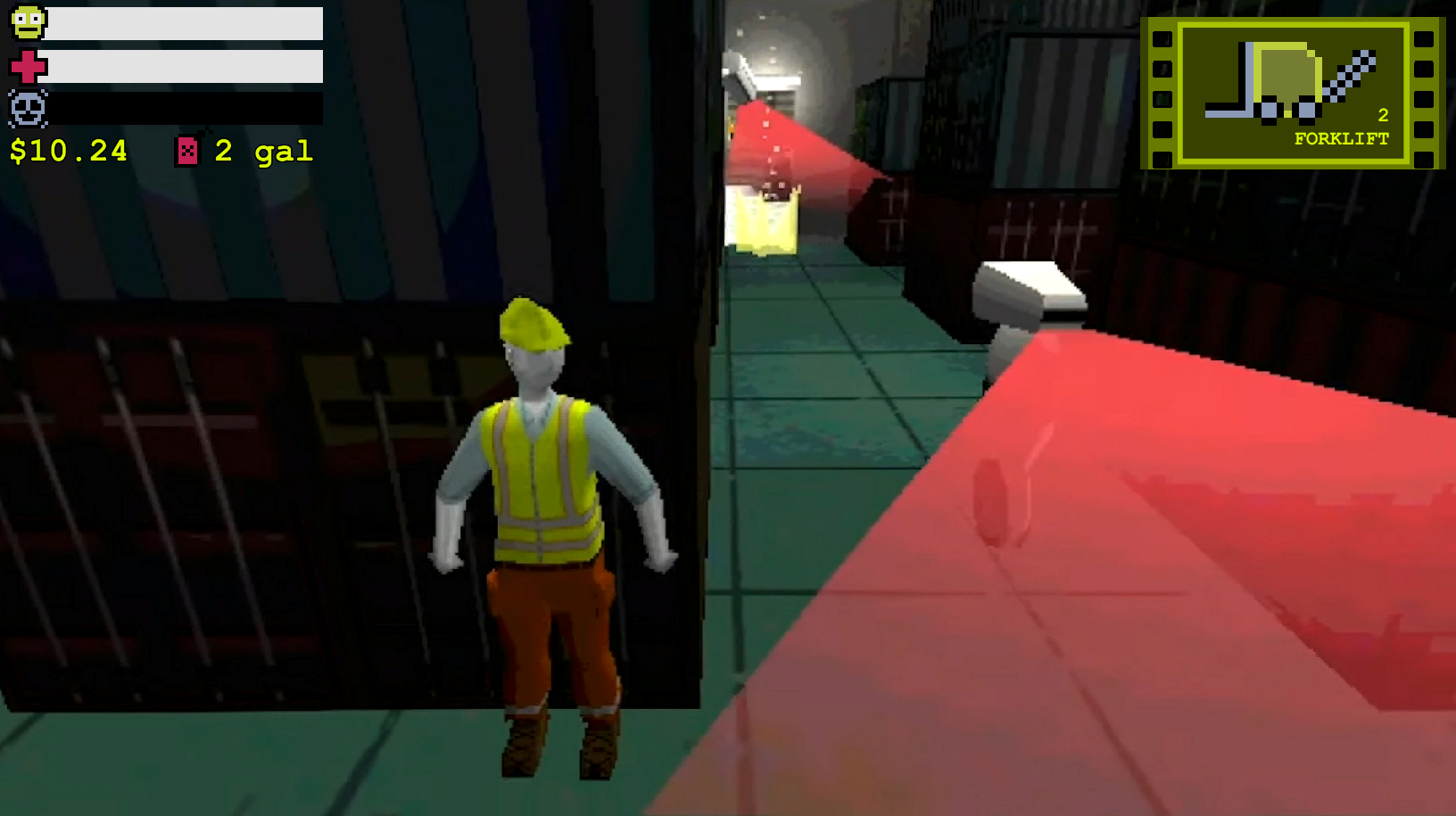
Time Bandit, developed by PhoenixUp, stands as a rare, poignant critique of modern labor dynamics. Unlike conventional simulation games that operate on an accelerated internal clock, Time Bandit utilizes the player’s actual real-world environment to dictate the terms of gameplay. By tethering in-game shifts to real-time cycles—and even local weather conditions—the game creates a visceral sense of temporal imprisonment.
Chronology and Design Philosophy
The development of Time Bandit stems from a desire to translate the concept of "time theft"—where the value of an individual’s life force is commodified—into an interactive medium. The game operates in two distinct modes: the "On-Shift" labor phase and the "Off-Shift" stealth phase. During shifts, players are tasked with repetitive, time-consuming labor that yields "Time Crystals."
The design is intentionally laborious; a simple task, such as moving a box, can consume thirty minutes of real-world time. This choice is a deliberate mechanical barrier intended to simulate the stagnation of the modern workplace. The transition to the stealth phase, where players attempt to reclaim the fruits of their labor, shifts the genre from mundane simulation to high-stakes tension.
Implications: The Choice Between Compliance and Rebellion
The core question posed by Time Bandit is binary but profound: will you accept your role within the machine, or will you risk everything to seize the means of your own production? By forcing players to wait in real-time, the game highlights the psychological toll of the gig economy and corporate hierarchy, making it a seminal piece of "labor-critique" art.
The Duality of Effort: Ducky’s Delivery Service
Main Facts: Balancing Arcade Intensity with Accessibility
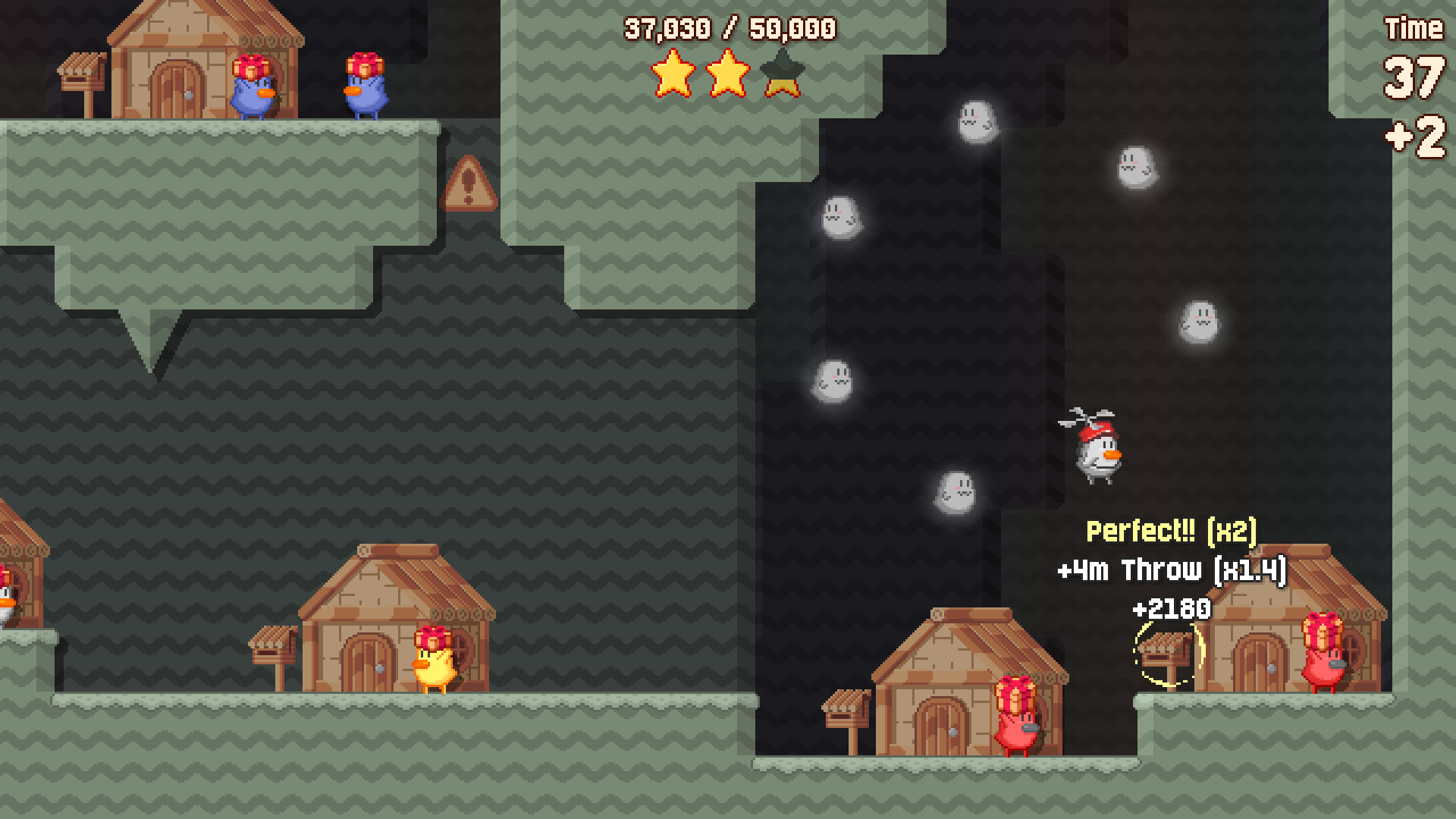
If Time Bandit explores the dark side of labor, Ducky’s Delivery Service by CTMatthews explores the sheer, unadulterated joy of it. This title disguises a sophisticated score-attack engine within the charming exterior of a duck equipped with a helicopter backpack.
Supporting Data: Mechanics and Performance
At its core, the game is a masterclass in momentum-based platforming. Drawing inspiration from classic titles like Balloon Fight or Flappy Bird, the primary mechanic involves maintaining altitude through rhythmic button inputs. However, the game elevates this by introducing a complex scoring system that rewards precision and "trickshots."
- Complexity vs. Accessibility: Despite its high-skill ceiling, the game is remarkably inclusive. It features a robust suite of accessibility tools, allowing players to tune the difficulty to their specific needs.
- The "Sweaty" vs. "Kind" Spectrum: The design is highly modular. A player can treat it as a relaxing, whimsical flight simulator or a hardcore, twitch-reflex competitive game. This duality proves that "cute" aesthetics do not preclude deep, technical design.
Official Developer Sentiment
The developer, CTMatthews, has noted in community discussions that the goal was to make the act of delivery feel rewarding regardless of the player’s skill level. By providing the tools to customize the experience, the game avoids the common pitfall of being "punishingly difficult" and instead becomes "rewardingly challenging."
The Collective Impulse: Communite
Main Facts: Redefining Social Gaming
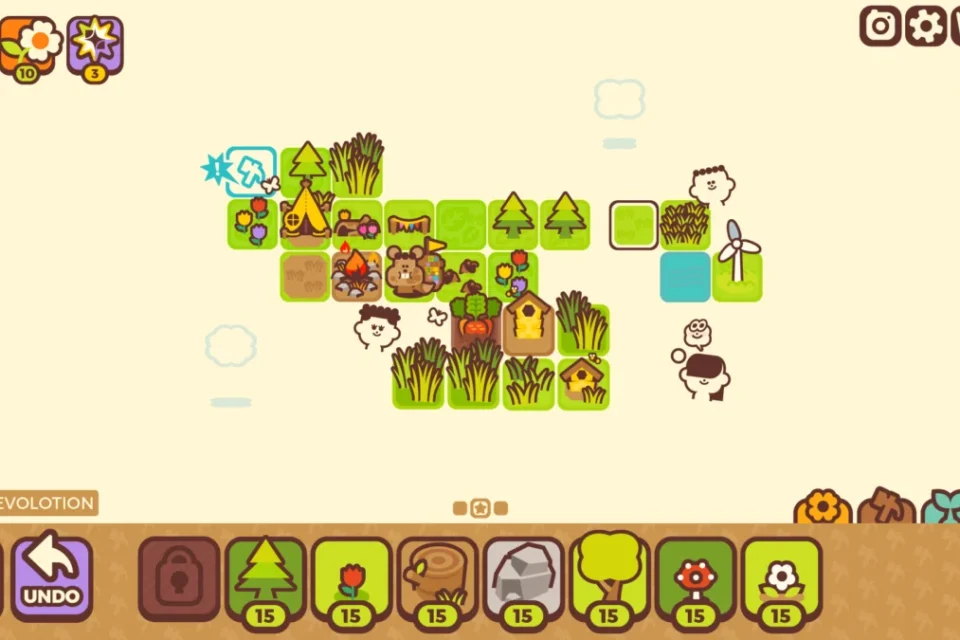
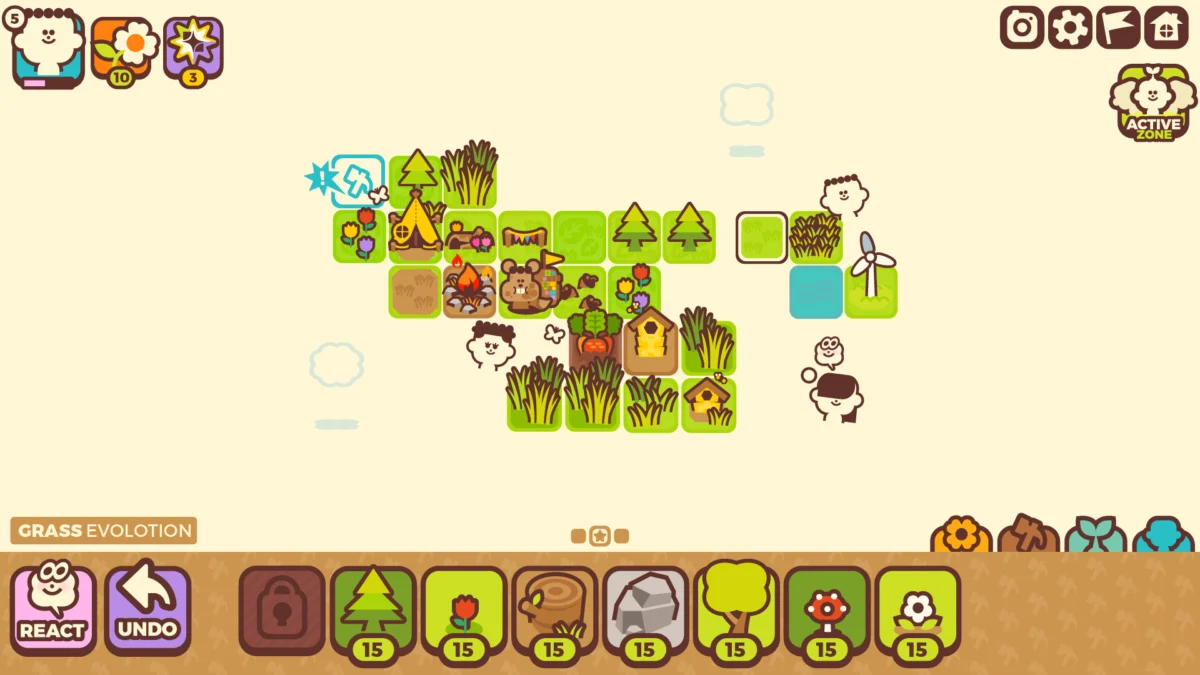
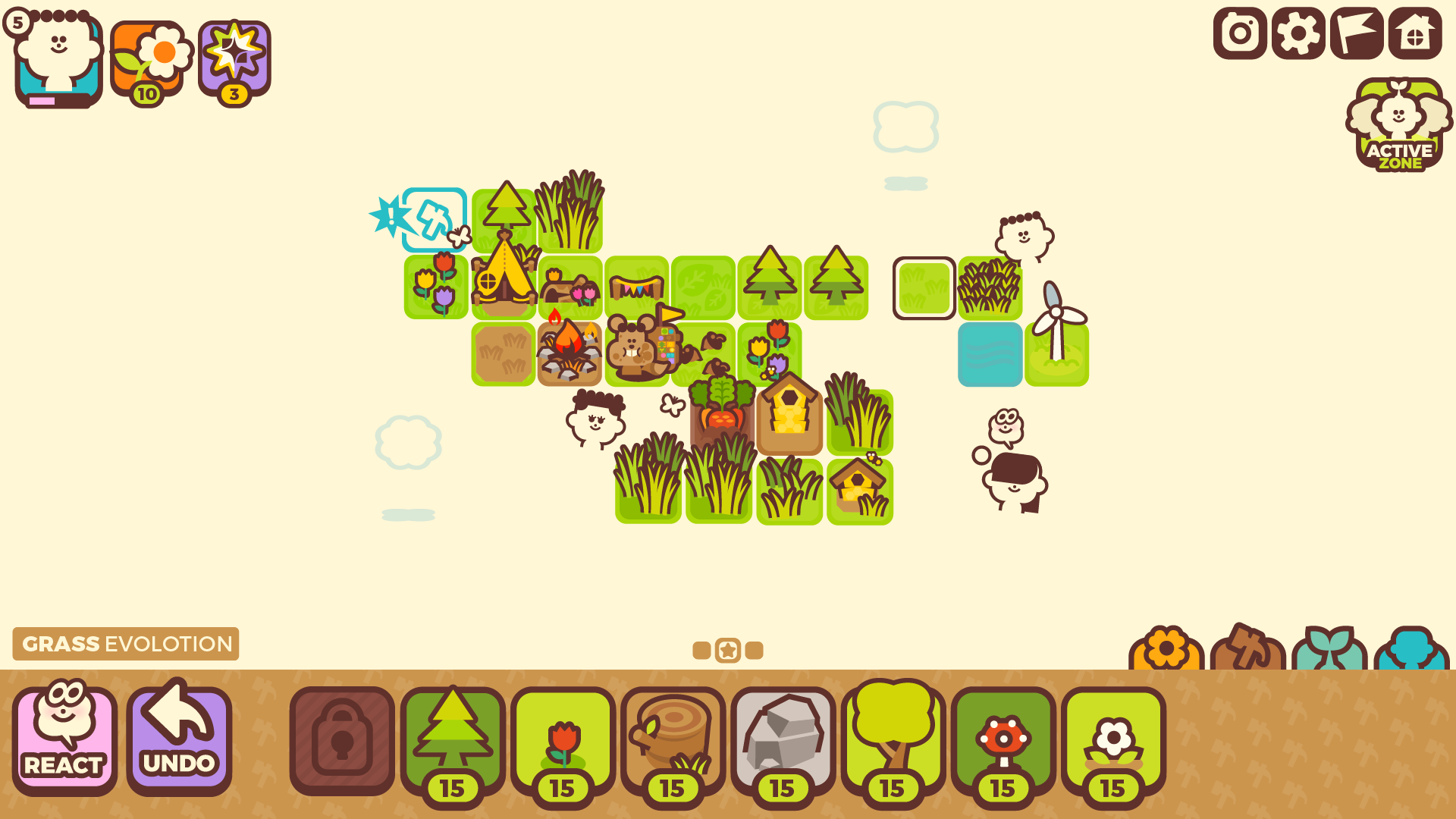
Communite, created by JimJum, shifts the focus from the individual to the collective. It is an experimental social experience where progress is physically impossible without cooperation. In a digital world where "co-op" often means playing alongside others rather than with them, Communite forces interdependence.
Chronology and Community Dynamics
When a player enters the world of Communite, they are immediately directed to the site of the most urgent community project. This top-down architectural design ensures that no single user can dominate the landscape.
- The Stamina System as a Social Glue: The game employs a stamina mechanic that limits individual contribution. This is not a barrier to play, but a deliberate design choice that prevents burnout and encourages a "slow-burn" approach to creation.
- Asynchronous Collaboration: Players log off, leaving behind a project in mid-construction, only to return and find that their neighbors have moved the needle forward. This creates a powerful, tangible sense of being a small, vital part of a larger ecosystem.
Implications: The Future of "Idle" Social Spaces
Communite represents a shift away from the "always-on" grind of typical multiplayer games. By making the game "played by not playing it," JimJum has created a space that prioritizes communal health over individual achievement. It serves as a reminder that building something beautiful is often a marathon, not a sprint, and that our contributions—however small—matter to the collective whole.
Comparative Analysis: Labor, Whimsy, and Community
When evaluating these three titles, a clear pattern emerges in the indie development space. Developers are no longer content to treat games as mere "time-wasters." Instead, they are using the medium to reflect our societal anxieties and aspirations.
Synthesizing the Data
| Title | Primary Theme | Mechanical Focus | Player Sentiment |
|---|---|---|---|
| Time Bandit | Labor Critique | Real-time endurance | Reflective/Tense |
| Ducky’s Delivery Service | Joyful Efficiency | Skill-based precision | Enthusiastic/Satisfied |
| Communite | Collective Effort | Asynchronous building | Relaxed/Connected |
The common thread linking these disparate titles is the concept of agency. In Time Bandit, agency is stolen and must be reclaimed. In Ducky’s Delivery Service, agency is honed through mastery. In Communite, agency is surrendered to the collective to achieve something larger than the individual.
Final Implications: Where Does the Industry Go From Here?
As we look at the trajectory of itch.io and similar independent platforms, it is clear that the "Games of the Week" are becoming increasingly sophisticated in their delivery of social commentary. These games are not just products; they are platforms for conversation.
Whether it is the somber realization that our time is being monetized, the pure adrenaline of mastering a complex movement system, or the quiet, enduring peace of building a virtual garden with strangers, these games prove that our free time can be spent in ways that are both meaningful and deeply engaging.
The industry is moving toward a future where the player’s real-world values are respected and reflected in their digital experiences. By choosing to support these developers, we are not just buying games; we are investing in a more thoughtful, empathetic, and innovative gaming culture.
As always, we invite our readers to step away from the mainstream triple-A releases and explore these gems. Your time is your most valuable resource—it is heartening to see so many developers working to make it worth spending.
What have you been playing lately? Do you find yourself drawn to the intensity of competitive play, or the quiet reflection of the collective? Join the conversation in the comments below and let us know which of these titles resonates with your current state of mind.
